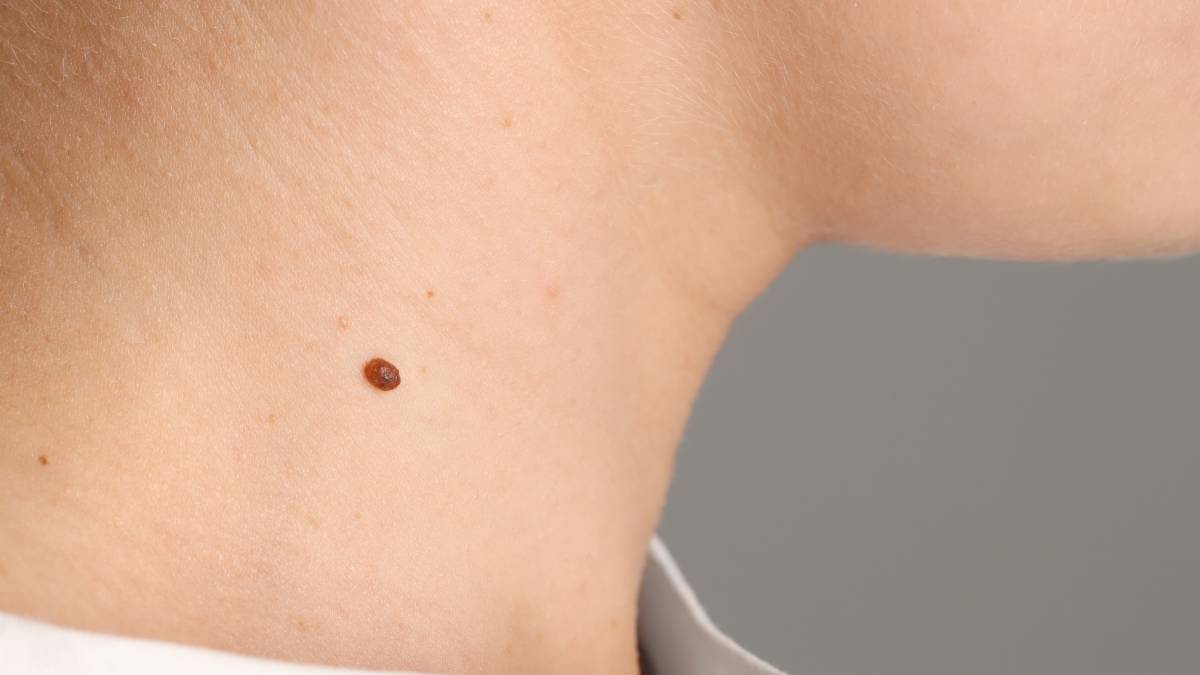
Most people will develop at least one mole during their lifetime, and in most cases, they are completely harmless. Whilst some stay the same for years, others can become irritating, catch on clothing, affect confidence, or change in appearance over time.
If you have been wondering how to remove moles safely, it is important to seek professional advice first. Attempting to remove a mole yourself can lead to infection, scarring, or delayed diagnosis if the mole requires medical attention.
At Private Doctors MK, patients can access professional mole removal in Milton Keynes in a calm, discreet clinical setting. Our experienced clinicians and in-house surgeon carefully assess every mole before recommending treatment. Whether a mole is uncomfortable, affecting confidence, or simply causing concern, booking a private GP appointment in Milton Keynes can provide fast reassurance and expert guidance.
By the end of this article, you will have a clearer understanding of how professional mole removal works and when treatment may be appropriate.
Your Guide To How To Remove Moles
Moles are small marks on the skin that form when pigment-producing cells, called melanocytes, cluster together rather than spreading evenly throughout the skin. According to NHS guidance on moles, most moles are harmless, but any noticeable changes should always be checked by a healthcare professional.
Some people are born with moles, whilst others develop them over time due to factors such as genetics, sun exposure, and hormonal changes.
At Private Doctors MK, every mole is assessed individually before treatment is recommended. In some cases, reassurance is all that is needed, whilst in others, removal may be advised for cosmetic or medical reasons.
In this article, we will cover:
- Can All Moles Be Removed?
- How Are Moles Removed?
- Does It Hurt To Remove Moles?
- How Much Does It Cost To Remove Moles?
- Mole Removal Aftercare
Can All Moles Be Removed?
In most cases, removing a mole is a simple, routine procedure. However, that does not always mean removal is necessary.Sometimes a doctor may advise leaving a mole alone if it appears healthy and is not causing any problems. This is often because removing it could leave a scar that is more noticeable than the mole itself.
The location of the mole also matters, as certain parts of the body, including the chest, shoulders, and back, can sometimes scar more easily during healing. This is why having a professional assessment beforehand is so important.
Cosmetic Reasons
For many people, the decision is personal rather than medical. Some moles can affect confidence, particularly if they are large, raised, dark, or located on the face or neck.
Medical Reasons
In some situations, mole removal is recommended for medical reasons instead.
If a mole changes in size, shape, colour, or texture, a doctor may suggest removing it so the tissue can be examined more closely. This helps rule out abnormal or cancerous cells.
Many doctors use the ABCDE guide from Menaloma UK when checking for warning signs:
- Asymmetry – one side looks different from the other
- Border – the edges look uneven or blurred
- Colour – there are different shades within the mole
- Diameter – larger than around 6mm
- Evolution – the mole changes over time
At Private Doctors MK, patients attending a private GP appointment in Milton Keynes can have changing or suspicious moles assessed promptly without long NHS waiting times.
Early assessment matters because skin cancers are often much easier to treat when identified early.
When Mole Removal May Not Be Recommended
There are also situations where a doctor may advise monitoring the mole rather than removing it straight away.
For example:
- The mole appears completely harmless
- The risk of scarring is higher
- The mole is in a difficult area
- Healing may be affected by other medical conditions
- The cosmetic result may not improve the appearance overall
Professional assessment is especially important because trying to remove moles at home can create far more problems than it solves.
According to NHS advice, DIY mole removal methods can increase the risk of infection, permanent scarring, incomplete removal, and delayed diagnosis of skin cancer.
How Are Moles Removed?
When people search for how to remove moles, they are often surprised to learn there is not just one treatment method available. The most suitable option depends on the type of mole, its location, its depth in the skin, and whether further testing may be needed afterwards. Mole surgery is done by DR Almeida our expert in minimally invasive and non-surgical cosmetic procedures.
Initial Consultation And Assessment
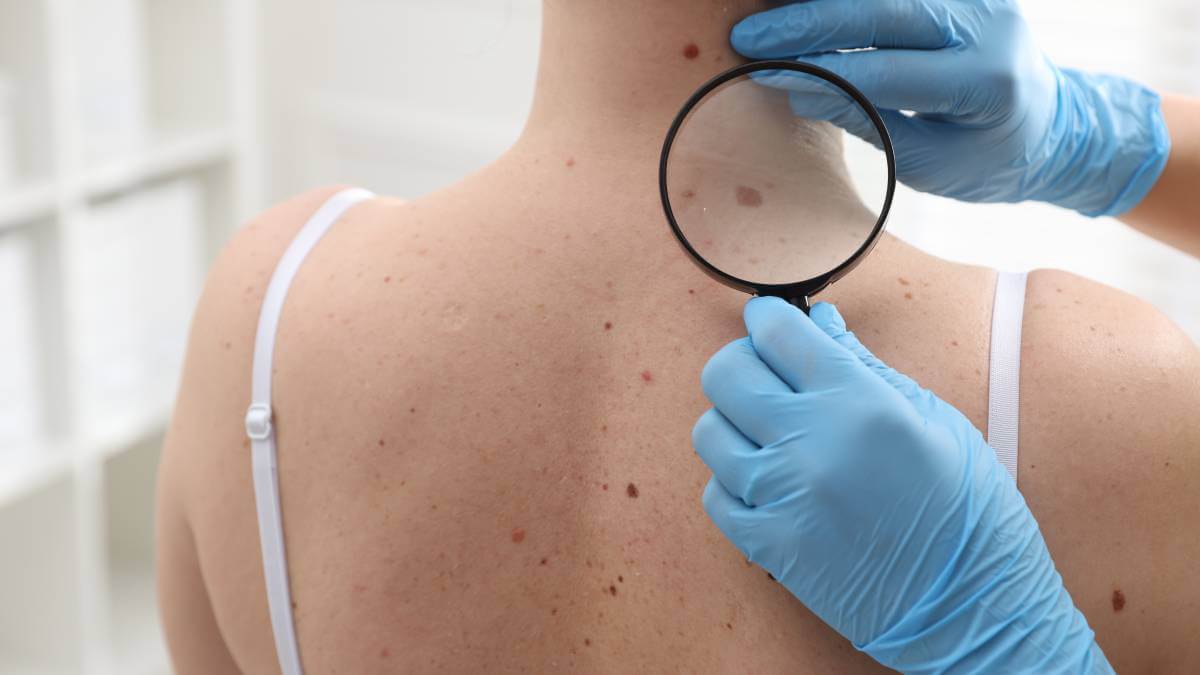
Before removing any mole, the first step is a proper assessment. This allows the clinician to examine the mole closely and decide:
- Whether it appears harmless
- Whether removal is appropriate
- Which technique is most suitable
- Whether laboratory testing may be required
Patients are usually asked about any recent changes, symptoms, family history of skin cancer, and previous sun exposure.
Sometimes reassurance is enough. In other cases, removal may be recommended either for comfort, cosmetic reasons, or further investigation.
Surgical Excision
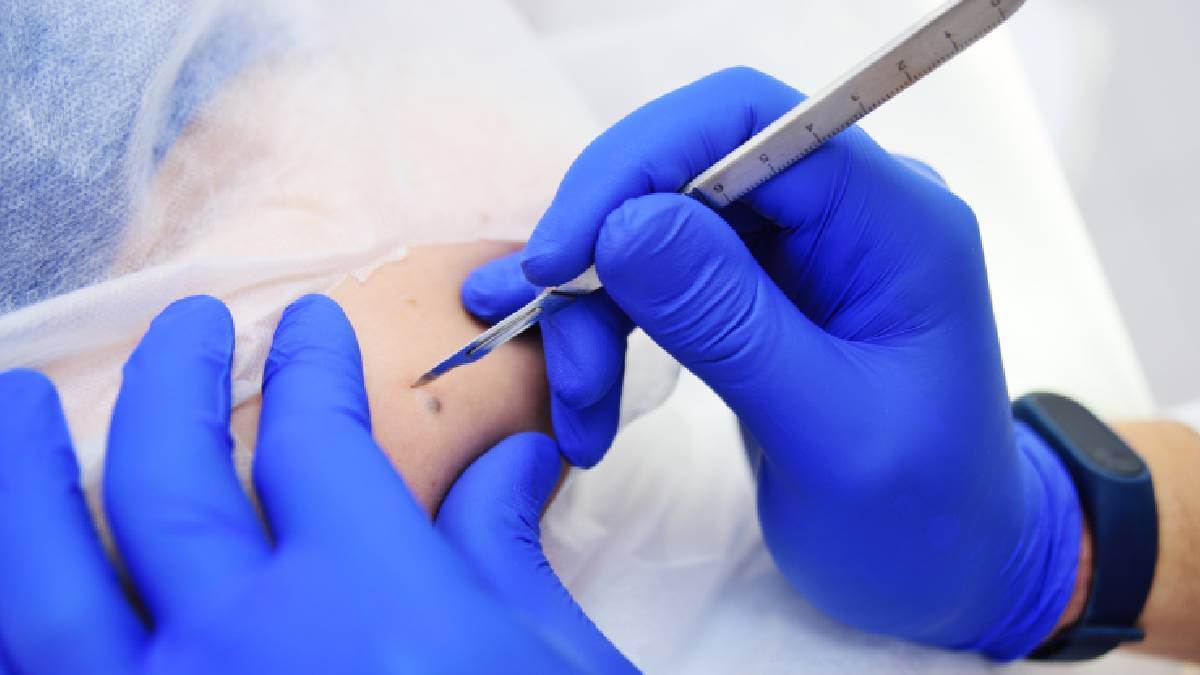
One of the most common ways to remove a mole is through surgical excision. This involves carefully cutting out the mole along with a very small border of surrounding skin.
This method is often recommended if:
- The mole is deep
- The mole looks suspicious
- Complete removal is needed
- The tissue may need laboratory testing
Afterwards, the wound is usually closed using stitches. Depending on the area treated, these may either dissolve naturally or need to be removed at a follow-up appointment.
PlexR Removal
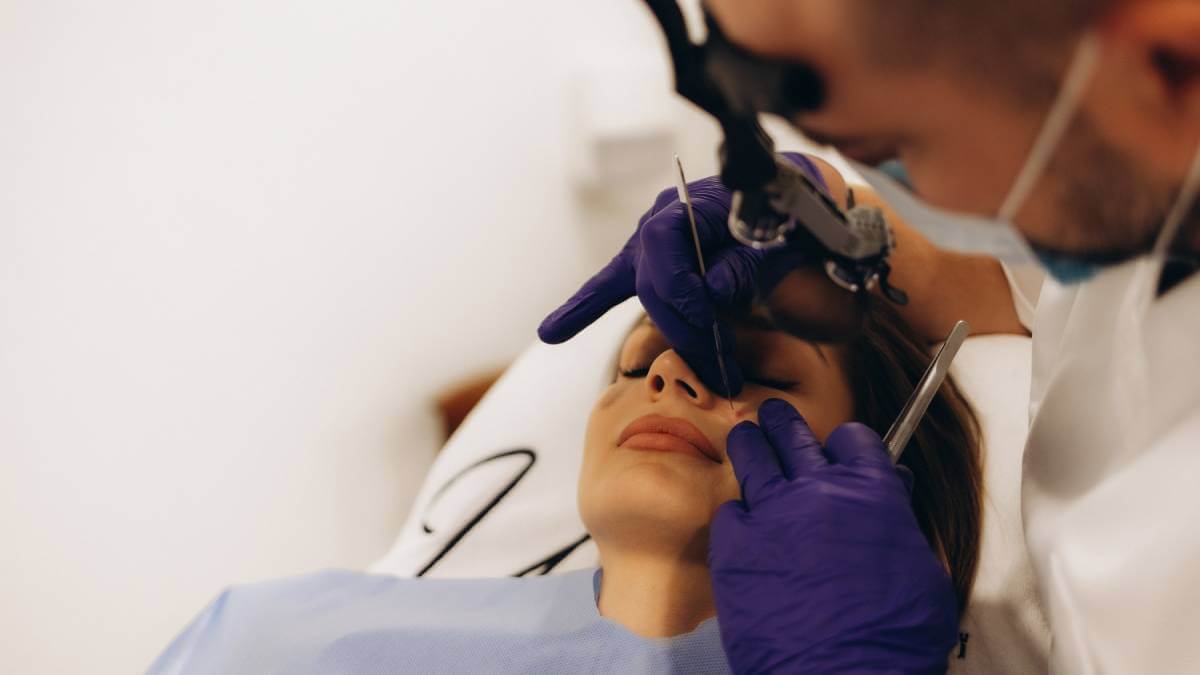
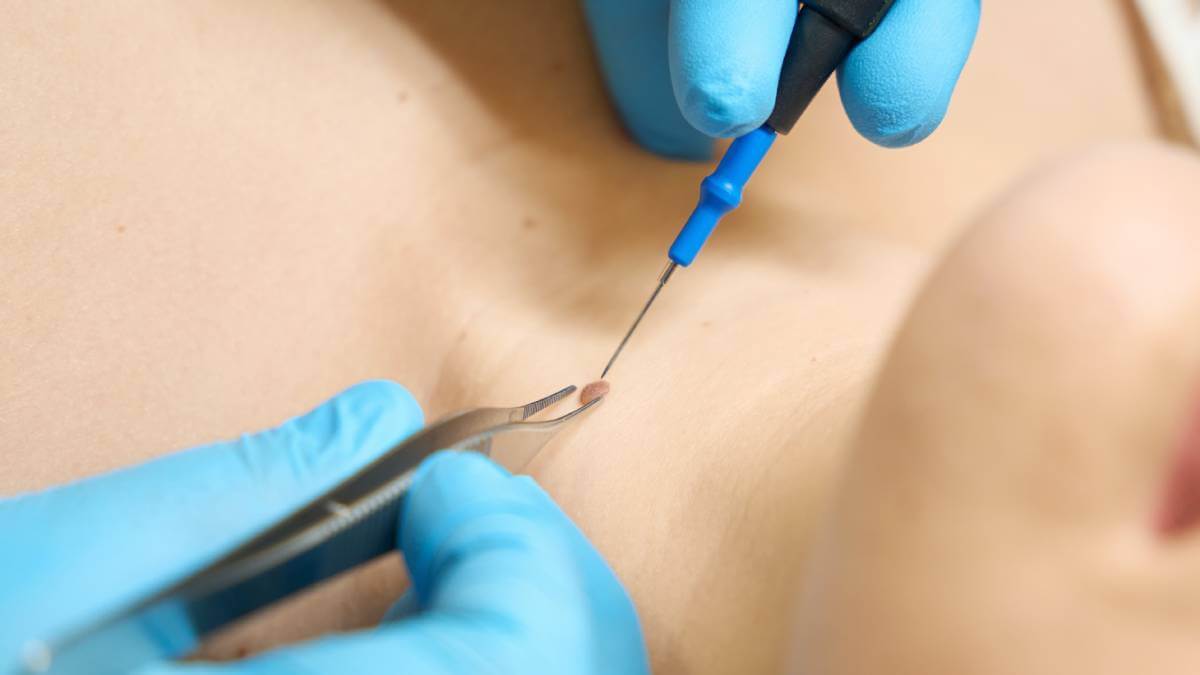
Plexr mole removal is a non-surgical cosmetic treatment that uses advanced plasma technology to safely and precisely remove unwanted moles and skin lesions without the need for scalpels or stitches.
During the procedure, a small electrical arc targets the mole’s surface, causing the tissue to dry and naturally heal over time while minimising damage to the surrounding skin.
Plexr is a popular option for patients seeking a less invasive alternative to traditional mole removal, with minimal downtime and reduced scarring risk.
At Private doctors MK, every treatment begins with a professional skin assessment to ensure the mole is suitable for cosmetic removal and to provide safe, tailored results.
Why Professional Removal Matters
It can be tempting to try online mole removal creams or home remedies, particularly when they are advertised as cheap or quick. However, these methods can cause more harm than good.
Professional mole removal in Milton Keynes ensures the mole is properly assessed and treated safely using sterile medical techniques.
Does It Hurt To Remove Moles?
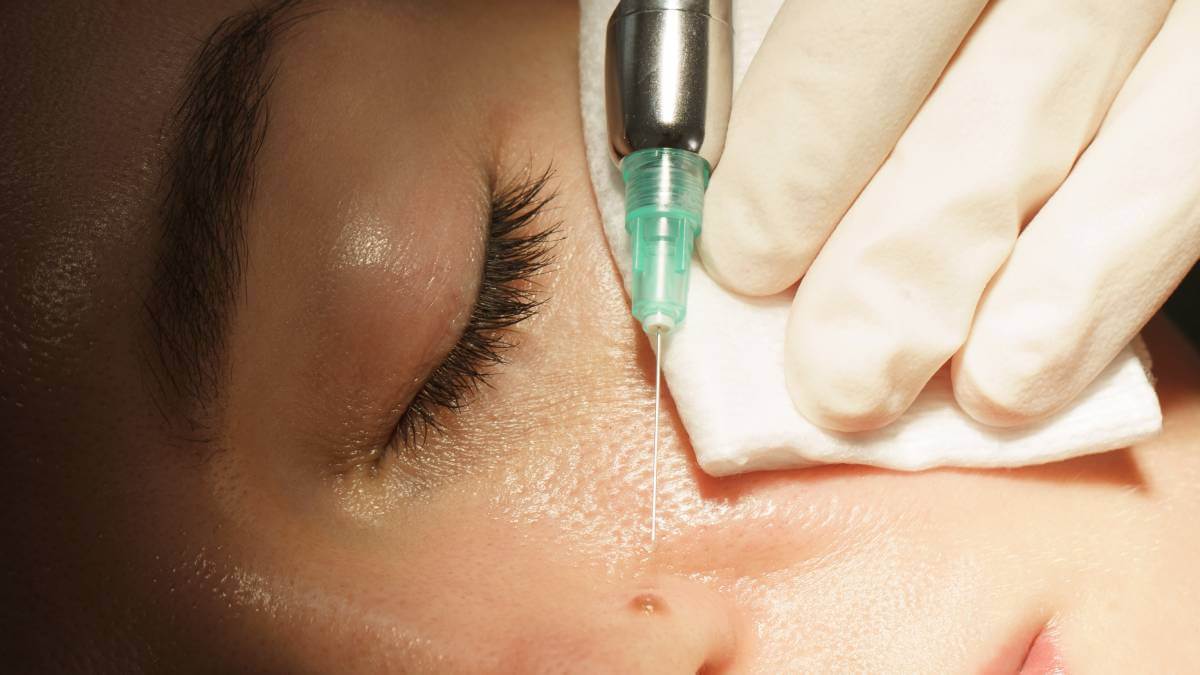
One of the first questions many patients ask is whether mole removal hurts. The good news is that professional mole removal is usually very manageable and causes minimal discomfort for most people. Before the procedure begins, the area is numbed using a local anaesthetic. This means the mole itself can normally be removed without pain.
The Local Anaesthetic Injection
The local anaesthetic injection is usually the only part that feels slightly uncomfortable. Most patients describe it as:
- A small scratch
- A brief sting
- Mild pressure for a few seconds
Once the anaesthetic starts working, the area becomes numb fairly quickly. Although patients may still feel movement or gentle pulling during the procedure, they should not feel sharp pain.
During The Procedure
Most mole removal appointments are calm and relatively quick. Patients stay awake throughout and are usually able to go home shortly afterwards.
At Private Doctors MK, the focus is always on helping patients feel relaxed and reassured during treatment. Many people are surprised by how straightforward the procedure actually feels once it begins.
After The Procedure
Once the anaesthetic wears off, it is normal for the area to feel mildly sore or tender for a few days. The sensation is often compared to:
- A small graze
- A mild cut
- Slight skin irritation
Over-the-counter pain relief such as paracetamol is often enough if any discomfort develops.
When To Seek Medical Advice
Complications are uncommon, but patients should still seek medical advice if they notice:
- Increasing redness
- Pus or discharge
- Severe pain
- Worsening swelling
- Fever
- Excessive bleeding
These symptoms could indicate infection and should be checked promptly. Most people recover very comfortably after mole removal and return to normal activities quickly.
How Much Does It Cost To Remove Moles?
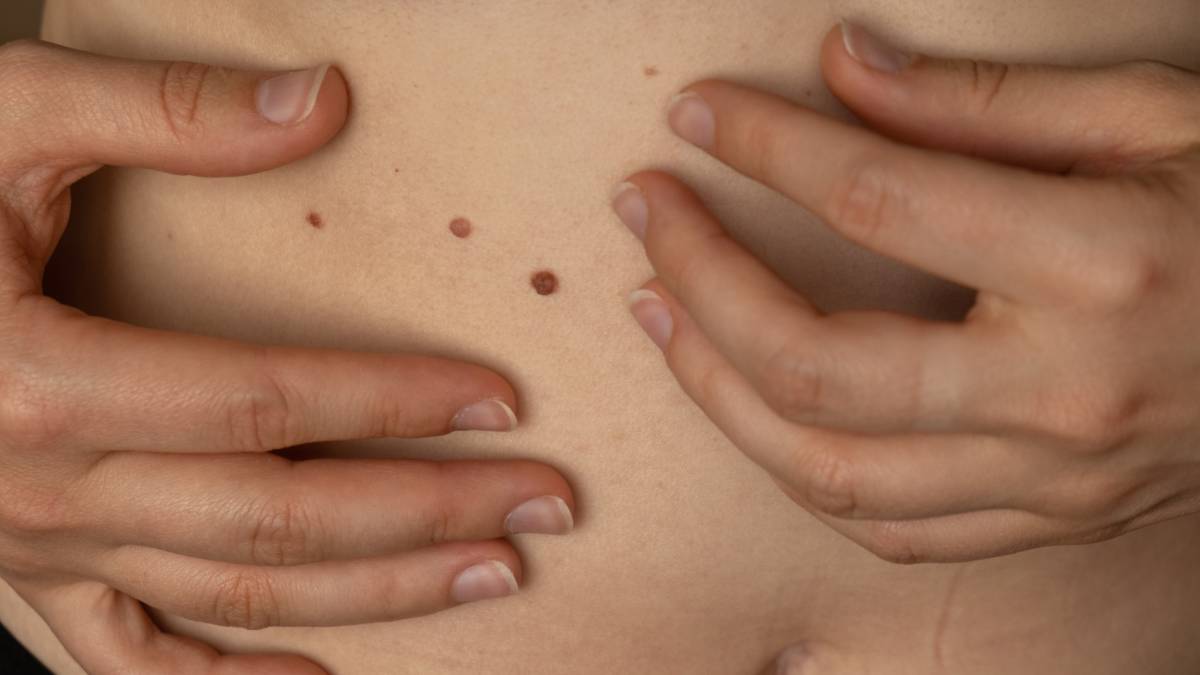
At Private Doctors MK, the cost of private mole removal depends on the treatment method recommended during your consultation. Plexr mole removal treatment starts from £495, while surgical excision procedures start from £645. The most suitable option will depend on factors such as the size, location, and type of mole being removed.
Many patients choose private mole removal for the convenience of faster appointments, personalised care, and access to advanced cosmetic treatment options. At Private Doctors MK, all mole removal procedures are carried out following a professional assessment to ensure the safest and most effective treatment approach for your skin.
Type Of Removal Method
Simple shave removals are usually less expensive than surgical excision procedures that require stitches or histology testing.
For example:
- Shave removal may cost less
- Surgical excision may cost more
- Laboratory testing can involve additional fees
At Private Doctors MK, patients can arrange a Private GP appointment in Milton Keynes for prompt assessment and professional advice without long delays.
Is Private Mole Removal Worth It?
For many people, private treatment provides reassurance and quicker access to care. Waiting for answers about a changing mole can understandably cause anxiety, so being able to speak with an experienced clinician quickly often gives patients peace of mind.
Private clinics also tend to offer:
- Flexible appointments
- Continuity of care
- Comfortable clinical settings
- Personalised aftercare support
When considering how to remove moles safely, choosing an experienced medical professional is far more important than simply finding the cheapest option.
Mole Removal Aftercare
Properly caring for the area after treatment plays a big role in healing well and reducing the risk of scarring. Although aftercare advice can vary slightly depending on the treatment method used, there are some general steps most patients are advised to follow.
Keep The Area Clean
The wound should be kept clean and dry, especially during the first few days after the procedure. Your clinician may recommend gently cleaning the area with water or saline solution once healing begins.
Keep The Wound Protected
A dressing is often applied to the wound immediately after treatment. This helps protect the area from rubbing, bacteria, and irritation whilst the skin heals.
Avoid Picking At Scabs
Scabbing is a completely normal part of healing.
Although it can be tempting to pick at the area, doing so may:
- Slow healing down
- Increase scarring
- Cause bleeding
- Raise infection risk
Allowing the skin to heal naturally usually gives the best cosmetic result.
Protect The Skin From Sun Exposure
Healing skin is much more sensitive to sunlight. According to The Skin Cancer Foundation, protecting healing skin from UV exposure can help reduce pigmentation changes and visible scarring. Patients are often advised to use high-factor sunscreen and to avoid excessive exposure to direct sunlight.
Watch For Signs Of Infection
Most wounds heal without any issues, but patients should still keep an eye out for symptoms such as:
- Redness spreading around the wound
- Swelling
- Heat
- Pus
- Worsening pain
- Fever
If these symptoms appear, seek medical advice promptly.
Scar Minimisation
Some degree of scarring is always possible after skin procedures, but careful technique and proper aftercare can significantly reduce the visibility of marks. Clinicians may sometimes recommend:
- Silicone scar gels
- Moisturising creams
- Scar massage
- Sun protection
For most people, scars become much less noticeable over time.
Professional Mole Removal Gives Peace Of Mind
Understanding how to remove moles safely is important for both cosmetic confidence and overall skin health. Whilst most moles are harmless, any noticeable change should always be assessed properly rather than ignored.
At Private Doctors MK, patients can access trusted Mole removal in Milton Keynes in a welcoming, professional environment. Their experienced clinicians and in-house surgeon provide personalised treatment plans tailored to each patient, ensuring that every mole is carefully assessed before removal.
Whether you are worried about a changing mole, dealing with irritation, skin tag appearance, or simply considering cosmetic removal, booking a Private GP appointment in Milton Keynes can help you get the answers and reassurance you need.