Cysts are incredibly common, and for many people, they can be uncomfortable, unsightly, or simply worrying. If you have found one on your body, you may be wondering what caused it, whether it is dangerous, and, most importantly, how to remove a cyst safely. Although most cysts are harmless, it is important to have them properly assessed by a medical professional, especially if they are growing, painful, or affecting your confidence.
At Private Doctors MK, we provide prompt appointments, clear advice, and safe surgical treatment. Understanding how cysts form, how they are removed, and what to expect afterwards can help you feel more confident and prepared when making decisions about your health.
How To Remove A Cyst: What You Need To Know
This article will guide you through everything you need to know about cysts and the different treatment options available. Drawing on the experience of our qualified private GPs and in-house surgeon, we will explain the causes of cysts, the removal process, expected recovery times, and essential aftercare tips. If you are considering sebaceous cyst removal in Milton Keynes, this guide will help you understand your next steps.
Here’s what we will cover:
- What Is The Cause Of A Cyst?
- How Are Cysts Removed?
- Is Cyst Removal Painful?
- How Much Is Cyst Removal?
- How Long Is The Recovery Time For Cyst Removal?
- Cyst Removal Aftercare Tips
What Is The Cause Of A Cyst?
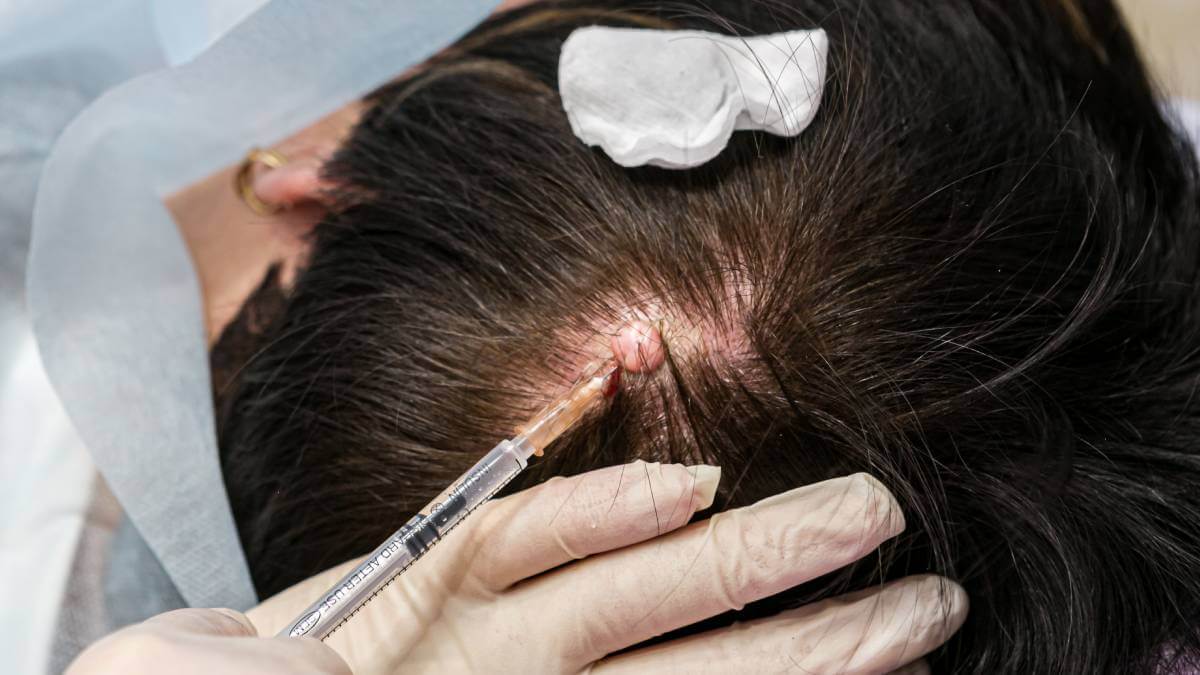
Cysts can appear anywhere on the body and can vary widely in size, texture, and cause. In simple terms, a cyst forms when a structure within the body becomes blocked, irritated, or damaged, leading to a sac filled with fluid, air, or other material. Learn more about cysts on the NHS website
Cysts are just one type of skin lump; others, like skin tags, have different causes and treatment approaches. You can read more about safe skin tag removal in our dedicated article.
Common Causes of Cysts
Blocked ducts or glands:
One of the most common reasons for cyst formation is a blocked gland. When a duct becomes obstructed, often due to excess oil, dead skin cells, or injury, the trapped material forms a small sac beneath the skin.
Infections:
Some infections can trigger swelling or blockages that lead to cyst formation. For example, a bacterial infection around a hair follicle can cause a painful, inflamed cyst.
Injury or trauma:
If a hair follicle or a skin area is damaged, skin cells may become trapped beneath the surface, forming a cyst over time. This is seen in many epidermoid cysts following minor injuries.
Genetic conditions:
Certain inherited conditions, such as polycystic kidney disease or Gardner syndrome, can increase the likelihood of developing cysts throughout the body.
Chronic inflammation:
Long-term inflammation, from skin conditions like acne or autoimmune issues, can increase the likelihood of cyst development.
Developmental abnormalities:
Some cysts form during early development and may remain unnoticed until adulthood.
Parasites:
Although rare in the UK, some parasitic infections can lead to cysts forming in various organs.
Examples of Cyst Formation
Skin cysts:
These are among the most common. They often result from blocked sebaceous glands or hair follicles and typically contain keratin, a soft, cheese-like protein. They may feel firm or rubbery and often grow slowly.
Ovarian cysts:
These can form during ovulation and are common among women of reproductive age. Some ovarian cysts are harmless and resolve on their own, while others may require medical assessment. For a detailed explanation of types, symptoms, and treatment, you can read the NHS guide to ovarian cysts.
Breast cysts:
Caused by fluid collection within breast tissue, breast cysts are usually benign but should always be assessed by a clinician to rule out other conditions.
Understanding the cause of your cyst is the first step in determining the best treatment plan.
How Are Cysts Removed?
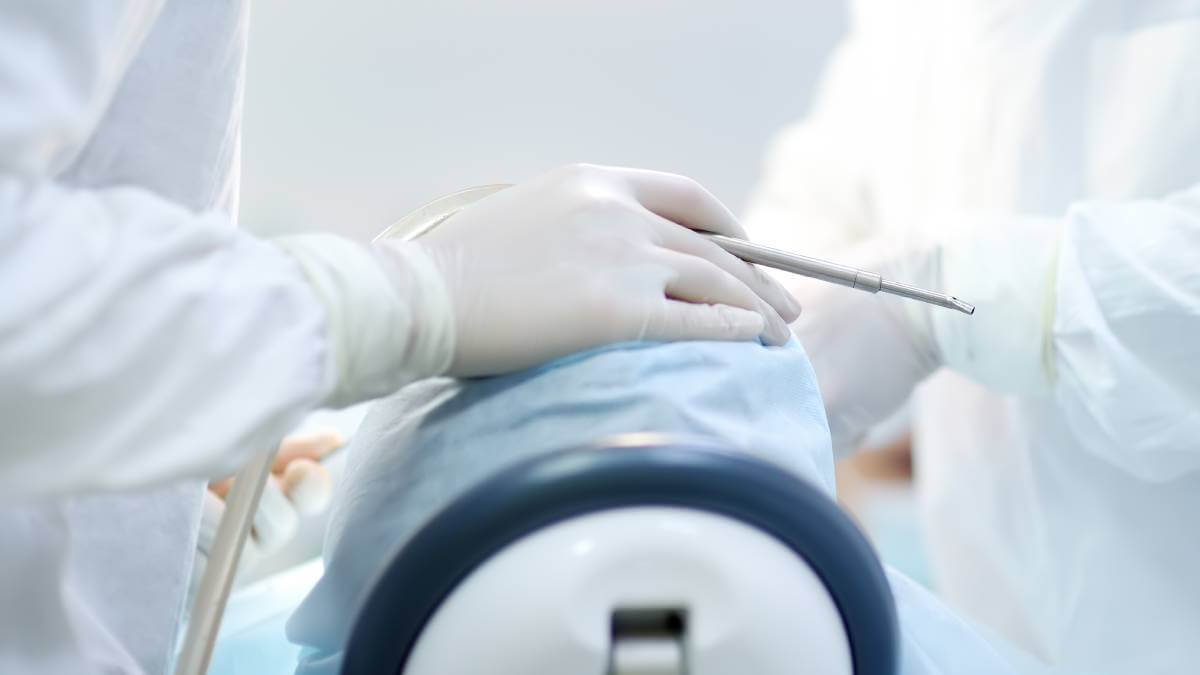
Cyst removal is typically a straightforward procedure, especially when carried out by an experienced clinician or surgeon. Many patients first seek advice through a private GP appointment in Milton Keynes with us, so our doctor can assess the cyst and recommend the most suitable treatment. The method chosen depends on factors such as the cyst’s type, size, and location.
Below are the most common methods for removing cysts.
Common Cyst Removal Methods
Surgical excision:
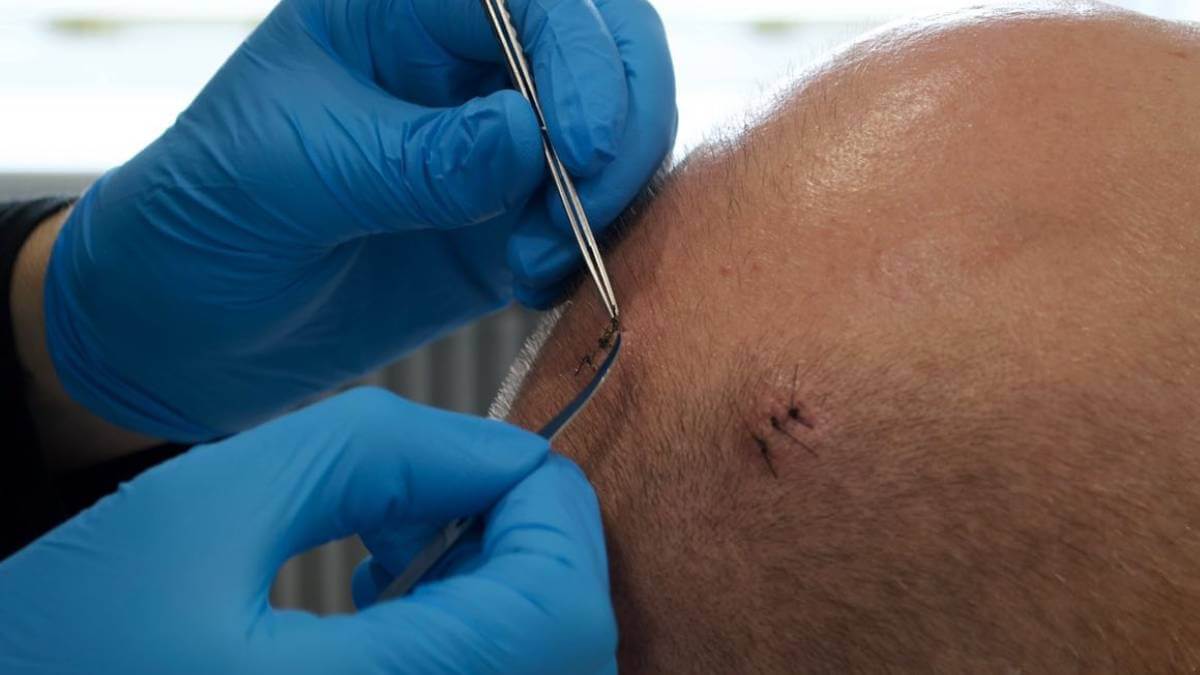
This is considered the most effective method of cyst removal. The surgeon makes a small incision in the skin, removes the entire cyst and its sac (also called the cyst wall), and closes the wound with stitches.
Removing the sac is essential because if any part of it remains, the cyst may return.
Incision and drainage:
In some cases, particularly when the cyst is inflamed or infected, a small cut is made so the contents can drain out. This provides relief, but because the cyst wall remains, the cyst may recur.
Minimal excision or punch removal:
A tiny incision or circular punch tool is used to open the skin, allowing the cyst to be gently squeezed out. This method can be ideal for small cysts and often results in a shorter healing time.
Laser-assisted removal:
A laser can be used to create a small opening to drain the cyst. The cyst wall may then be removed through a minor follow-up procedure.
Laparoscopy:
For internal cysts, such as ovarian cysts, minimally invasive surgery, also known as keyhole surgery, is used. Small instruments and a camera are inserted through small cuts to carefully remove the cyst.
Steroid injections:
Steroids may be used to reduce inflammation and shrink an irritated cyst. However, this does not remove the cyst wall, so the cyst may return.
What to Expect During the Procedure
Anaesthetic:
Most cyst removals are done under local anaesthetic, meaning the area is numbed, and you remain fully awake. You will not feel pain, though you may feel pressure or movement.
The procedure itself:
Depending on the method, the procedure typically takes between 20 and 40 minutes. Your doctor or surgeon will make a small incision, remove the cyst or drain it, and clean the area.
Closing the wound:
The incision is usually closed with stitches. Some stitches dissolve naturally, while others may need to be removed during a follow-up appointment.
Aftercare:
You will receive full aftercare instructions, which usually include keeping the area clean and dry, changing dressings, and taking any prescribed medication.
Is Cyst Removal Painful?
Cyst removal is generally not painful, thanks to the use of a local anaesthetic. Most patients describe the procedure as comfortable, with only minor pressure sensations.
During the Procedure
- You will receive a local anaesthetic, which may sting briefly
- Once the area is numb, there should be no sharp pain
- You may feel pressure, tugging, or movement as the cyst is removed
- The procedure usually lasts between 20 and 40 minutes
After the Procedure
- When the anaesthetic wears off, mild soreness or swelling is normal
- Pain is usually very manageable with over-the-counter medication
- Follow your doctor’s aftercare instructions to promote healing and reduce discomfort
- Contact your doctor if you notice worsening pain, fever, or signs of infection, such as pus or unusual discharge
How Much Is Cyst Removal?
At Private Doctors MK, mole and cyst removal starts from £495, depending on the size and number of cysts being removed.
This cost typically includes:
- Your consultation
- The surgical removal procedure
- Follow your doctor’s aftercare instructions to promote healing and reduce discomfort
- Local anaesthetic
- Follow-up appointments (where applicable)
Because we have an in-house surgeon, we can offer safe, efficient cyst removal in Milton Keynes without the need for external referrals or long delays.

How Long Is The Recovery For Cyst Removal?
Recovery time varies depending on the cyst’s size and location, but most people recover quickly and experience minimal disruption to daily life.
Short-Term Recovery (First Few Days to 2 Weeks)
Return to work:
Most people can return to desk-based work within 1–2 days.
Normal activities:
Light activities can often be resumed within several days.
Pain management:
Mild discomfort is normal and can be treated with standard pain relief.
Activity restrictions:
Avoid strenuous activities and heavy lifting, especially if the cyst was removed from the torso or legs.
Long-Term Healing (2 Weeks to Several Months)
Complete healing:
The majority of wounds heal fully within 2–4 weeks, but deeper or larger cysts may take longer for complete tissue recovery.
Follow-up appointments:
These are essential for checking healing progress and removing stitches if needed.
Scarring:
Some scarring is normal and fades over time. Your doctor may recommend scar-care treatments.
Physical limitations:
If you have a physically demanding job, your doctor may advise avoiding certain movements while the wound heals.

Cyst Removal Aftercare Tips
Proper aftercare plays a crucial role in how well and how quickly your wound heals. Following your doctor’s instructions reduces the risk of infection and improves cosmetic results.
Immediate Aftercare
Pain management:
Take medication as directed. If you are unsure which painkillers are safe, ask your doctor, especially if you take blood thinners.
Keep the area clean and dry:
For the first 48 hours, avoid getting the wound wet.
Dressings:
Follow your doctor’s guidance on how often to change your dressing. If it sticks, gently soaking it in water may help remove it.
Bleeding:
Some light bleeding can occur. Apply pressure with a clean cloth for 20 minutes if needed.
Pain management:
Take medication as directed. If you are unsure which painkillers are safe, ask your doctor, especially if you take blood thinners.=
If a general anesthetic was used arrange for someone to take you home and stay with you. Avoid alcohol, driving, or operating machinery for 24 hours.
Long-Term Aftercare
Avoid strenuous activity:
For 7–14 days, avoid anything that could strain the wound or cause stitches to pull.
Showering:
After 48 hours, you can usually shower but should avoid soaking the area. Pat dry gently and reapply a clean dressing.
Steri-strips and stitches:
- Steri-strips are usually removed after 5 days for face wounds and 10–12 days for body wounds.
- Stitches may need to be removed after 7–10 days unless they are dissolvable.
Protect the wound:
Avoid sun exposure, as this can darken scars. If the area might get dirty, keep it lightly covered.
When to Contact Your Doctor
- Redness, swelling, or heat around the wound
- Increasing pain
- Discharge or pus
- Stay hydrated
- Persistent bleeding
- Fever or feeling unwell
- If you have an underlying condition associated with developmental abnormalities, these may also influence healing. You can learn more about developmental abnormalities here.
If you notice any of these symptoms, contact your doctor promptly for assessment.
How To Remove A Cyst Safely
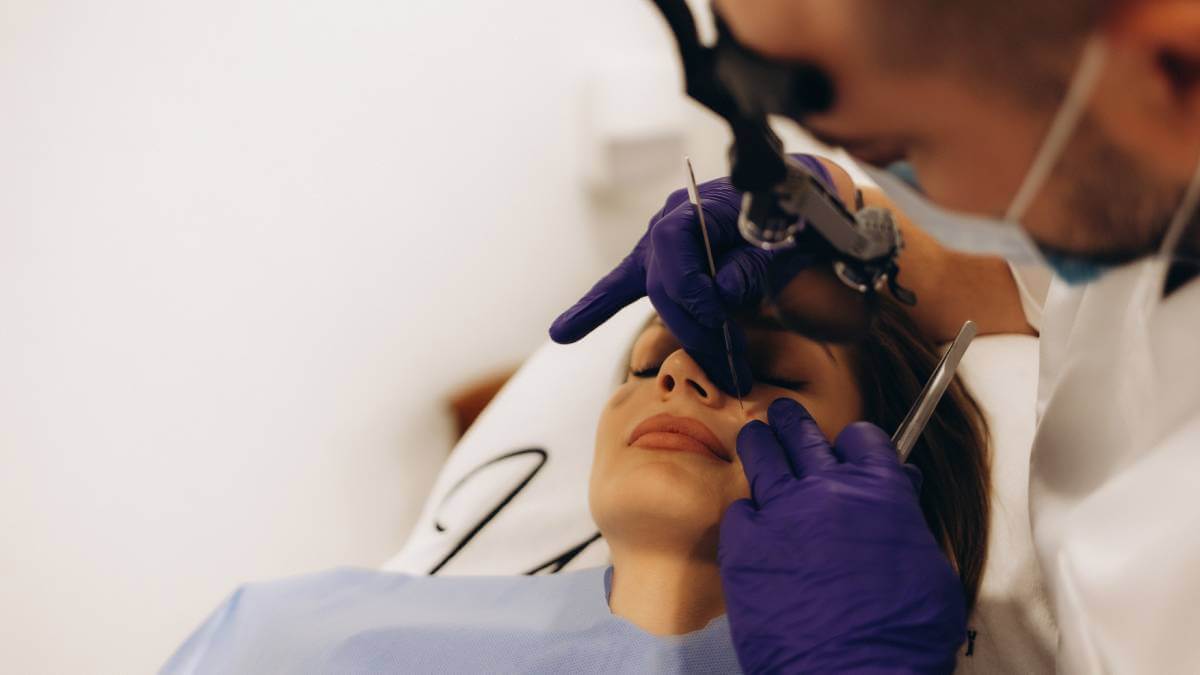
If you are looking for a safe, efficient, and professional way to remove a cyst, choosing private care can offer many benefits. At Private Doctors MK, our experienced private GPs and in-house surgeon provide fast appointments, detailed assessments, and expert sebaceous cyst removal in Milton Keynes with a personalised approach.
Whether your cyst is uncomfortable, irritated, or affecting your confidence, our team is here to help. We offer:
- Rapid access to appointments
- A calm and welcoming environment
- Clear explanations and tailored advice
- Safe, minor surgical procedures carried out by an experienced surgeon
- Full aftercare guidance and support
If you are concerned about a cyst or want to discuss the best treatment option, contact our team today. We are here to make your care simple, comfortable, and stress-free, helping you move forward with confidence and peace of mind.